
Goods Carrying Vehicle Insurance
Goods carrying vehicles ply regularly on highways and public roads transporting goods from one place to another. Smooth and punctual operations are imperative to the business. However, obstacles are a part of life and any accident or damage can hinder the functioning of the operations. In such cases, insurance can feel like a godsend.
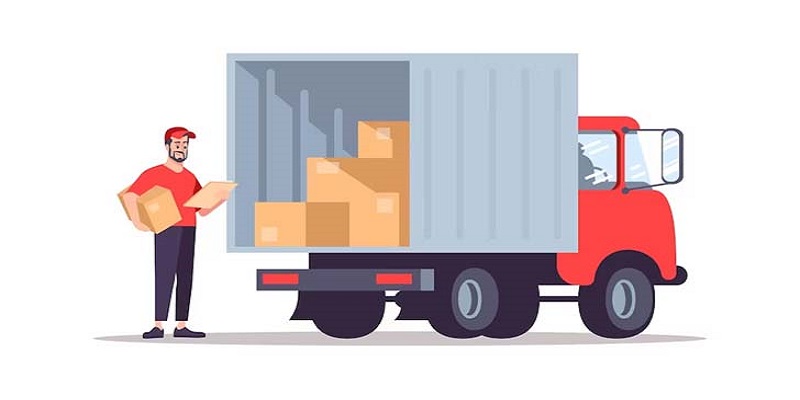
Good carrying vehicle insurance is a type of coverage that offers protection to vehicles against any damages and losses like theft, fire, accidental damages, earthquakes, floods, etc. It ensures smooth operation of your vehicle without any hindrances.
You can choose to insure your goods-carrying vehicle from a multitude of companies that offer attractive premium rates.
Types of Vehicle Covered Under Goods Carrying Vehicle Insurance?
Any commercial vehicle that transports goods from one place to another is called a goods carrying vehicle. The different types of vehicles that can be categorized as goods carrying vehicles are
| Vehicle Type | Variants Covered |
| Large goods-carrying vehicles | Trucks of all sizes – from small to large, supplying items from daily essential goods to appliances and furniture, trailers, tippers – large and heavy motor vehicles usually transporting material for construction. |
| Small goods-carrying vehicles | All tempos transporting goods within the city or town as well as between them; vehicles with three wheels like cargo auto rickshaws. |
Purpose of commercial vehicle insurance
Accidents can happen anywhere and at any time. Being prepared is the best and most logical thing to do. With a goods carrying vehicle insurance policy, you can be rest assured that such unforeseen circumstances do not put a dent in your finances.
• Coverage offered for goods carrying vehicles can be for third-party liability or a comprehensive cover. Third-party liability protects against legal liability arising when a third party – property, vehicle, or person – is involved. Comprehensive coverage protects against third-party liability as well as expenses arising from damage to or loss of the policyholder’s own vehicle.
• Having an insurance policy for your goods carrying vehicle complies with the law of the land. It is mandatory for vehicles using public roads in India to have at least third-party liability cover.
• Insurance for good-carrying vehicles protects against financial losses that may be incurred due to the incapacity of the vehicle.
• Personal accident covers for the owner-driver compensates for losses incurred due to injury or death of the covered individual.
Who Should Buy Goods Carrying Vehicle Insurance?
The Motor Vehicles Act passed in 1988 in India makes it compulsory for any vehicles using Indian roads to be protected by at the very least a third-party liability cover. Any company or individual that owns goods-carrying vehicles must be insured. So, if you own one, you will need to buy insurance for your goods carrying vehicle.
Major Benefits of Goods Carrying Vehicle Insurance?
Companies providing insurance for goods carrying vehicles offer a host of benefits for their policyholders.
| Features | Coverage and Benefits |
| Coverage | Coverage offered for third-party liability; comprehensive coverage protects against expenses from damage to own vehicles as well as liability involving a third party |
| Add-ons | Enhance protection by choosing from a range of add-ons |
| Online purchase | Easily purchase an insurance policy online and save on the hassle of physical paperwork |
| Easy claims process | Streamlined claims process enables policyholders to easily file a claim and avail of quick disbursement of funds |
| Cashless facility | The use of network garages provides an added benefit of cashless claims procedure |
What Does A Goods Carrying Insurance Policy Cover?
Goods carrying insurance providers offer some standard coverage
Add-ons Coverage
Insurance companies offer add-ons to policyholders as a way of customizing a policy to include more coverage if required by the policyholder. These add-ons range from nil depreciation cover to cover for the cost of consumables and everything in betweenTips For Buying Goods Carrying Vehicle Insurance
While purchasing a policy for your goods carrying vehicle, you should look for the best deal out there.
• The first thing you need to do is determine what sort of coverage you want for your vehicle.
• Once you have determined the type of coverage you’re looking for, start researching the different companies that offer the insurance terms that you want for your vehicle..
• Check the settlement ratio of the insurance providers. This gives you an idea of the possibility of a settlement of a valid claim.
• Customize your policy according to your requirements by choosing add-ons that are relevant. Indiscriminately purchasing add-ons can sky-rocket the premium amount, so be prudent.
• Compare the different policies and add-ons that your shortlisted insurance providers offer and check the quotes.
• Before you purchase the policy, make sure you go through the terms and conditions listed so that you are aware of what exactly is covered and what isn’t..
How Can You File A Claim Under My Goods Carrying Vehicle Insurance?
Claims can be filed online or in person. Both ways entail a set process.
1. Inform the insurance provider of an impending claim via call or email. Calls are preferred by insurance companies since it accelerates the process.
2. Take pictures of the accident and record any details of the witnesses.
3. Take your goods carrying vehicle to the nearest garage for repairs
4. File an FIR with the nearest police station. If the vehicle is lost and cannot be found, the police will issue a no-trace certificate.
5. Fill and sign the claims form and submit it along with the relevant documents and no-trace certificate if needed.
6. If the vehicle is repaired at a network garage, the insurance company directly settles the amount with the garage. If it is not a network garage, then the expenses will be reimbursed to you.
What Documents Should You Submit While Filing A Claim?
When filing a claim, the policyholder is required to submit a set of documents for the claim to be processed. These are:
1. Filled and signed claims form
2. Original registration certificate of the vehicle along with a photocopy.
3. A copy of the FIR
4. A copy of the no-trace certificate if the vehicle is lost or stolen.
5. Fitness certificate
6. The license of the person driving the vehicle at the time of the accident
What Are The Advantages Of A Premium Calculator For A Goods Carrying Vehicle Insurance Policy?
Insurance companies offer policies for a premium. This amount seals the agreement between the insurance provider and the policyholder.
Premiums vary from policy to policy. The amount set depends on the risk involved. This is calculated by taking a number of factors into account. These factors include, but are not limited to:
• The insured declared value of the vehicle
• The make and model of the vehicle
• The registration number of the vehicle
• The place where the vehicle is registered
• The age of the vehicle – calculated from the year of its registration
• The type of fuel that the vehicle consumes